

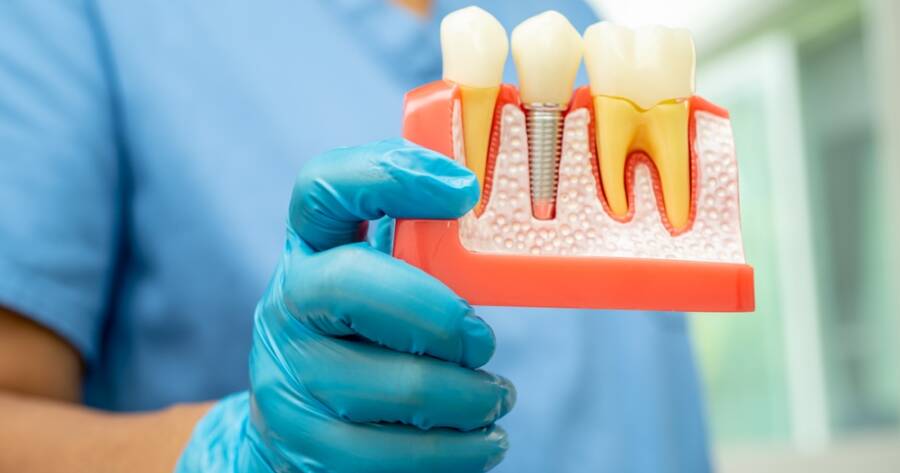
Dental implants present a durable solution for tooth restoration, enhancing both aesthetics and functionality. Key considerations for candidacy include jawbone density, gum health, and overall well-being. Lifestyle factors like smoking and the necessity of thorough dental evaluations further impact eligibility. Understanding key elements aids in achieving successful outcomes and optimizing oral health benefits.
Understanding Candidacy Criteria for Dental Implants
Dental implants offer a promising and long-term solution for individuals looking to restore missing or damaged teeth. They not only improve the aesthetic appeal of a patient’s smile but also enhance functionality such as chewing and speaking, while simultaneously preventing jawbone loss.
However, not everyone is an immediate candidate for these procedures. Numerous factors impact candidacy, including age, health status, oral hygiene, and lifestyle habits.
Key Factors in Determining Candidacy
Several criteria define whether an individual is a good candidate for dental implants. Primarily, candidates should have sufficient jawbone density, as the implant must anchor securely in the jaw through a process called osseointegration.
For those lacking adequate bone volume, bone grafting or sinus lift procedures may be necessary to restore the required support. Healthy gums, crucial for protecting the implants from infection, are another prerequisite. Untreated gum disease can jeopardize implant stability and increase the risk of failure.
Health Considerations and Lifestyle Factors
Good overall health is vital for the success of dental implants. Chronic conditions, such as uncontrolled diabetes or a weakened immune system, can complicate healing and increase the risk of complications. A thorough evaluation by a healthcare professional can help determine if these conditions are controlled enough to proceed with implant surgery.
Lifestyle factors also play a crucial role in candidacy. Smoking, for instance, restricts blood flow, impeding healing and increasing the likelihood of implant failure. That’s why quitting smoking is advised before and after the procedure. Additionally, maintaining excellent oral hygiene is imperative to prevent infections that could compromise implant success.
The Role of Dental Evaluations
A comprehensive dental evaluation is crucial for assessing implant candidacy. This often includes physical examination, dental X-rays, and possibly advanced 3D imaging for precise treatment planning. These evaluations ensure that all factors are considered before proceeding, from bone health to potential preparatory treatments like gum disease management or bone reconstruction.
Making Dental Implants Accessible
Despite the higher initial costs compared to alternatives like dentures or bridges, dental implants are a worthwhile investment in long-term dental health. Financing options and varied insurance coverage can make the cost more manageable and should be explored thoroughly with the help of a dental professional. It’s also essential to develop a customized plan based on individual needs, helping ensure the best possible outcome for each patient.
Why You Should Learn More About Dental Implant Trials
Understanding the candidacy criteria for dental implants is the first step toward making informed decisions about oral health. These criteria take into account overall and oral health, lifestyle choices, and prior dental conditions.
For those who are initially ineligible, advancements such as bone grafting can enhance candidacy. Exploring these options through consultations with experienced dentists not only clarifies individual qualifications but also sets the stage for achieving optimal dental results. With high success rates and numerous benefits, dental implants continue to be a preferred solution for those seeking lasting oral health solutions.